
Download Studio Design – Free, Secure Digital Product Design Software for Windows, Mac, Android & iOS
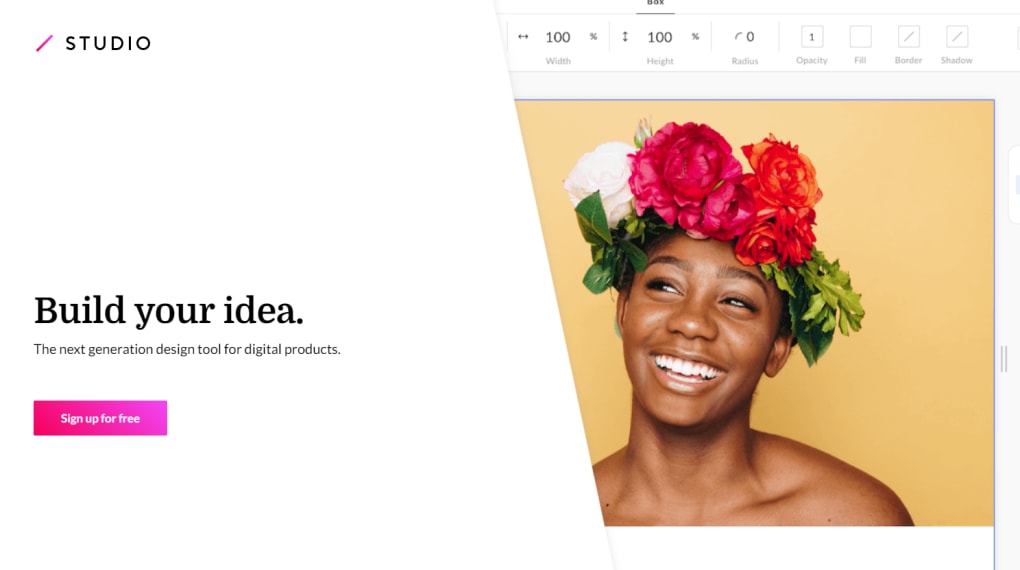
If you’ve ever dreamed of turning a sketch on a napkin into a polished digital prototype without the steep learning curve of traditional CAD tools, Studio Design is the answer. This next‑generation digital product design software blends intuitive drag‑and‑drop functionality with a powerful toolbox that adapts to both beginners and seasoned designers. Whether you’re crafting a mobile app UI, a consumer‑electronics enclosure, or a complete brand identity, Studio Design offers a free demonstration version that lets you explore its capabilities risk‑free. In the sections below we’ll dive deep into what makes this platform stand out, walk you through the installation process, examine system compatibility, weigh the pros and cons, and answer the most common questions users have before they download.
Overview & Core Capabilities
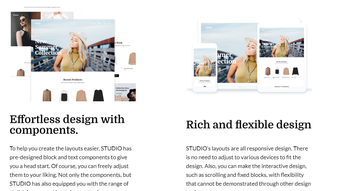
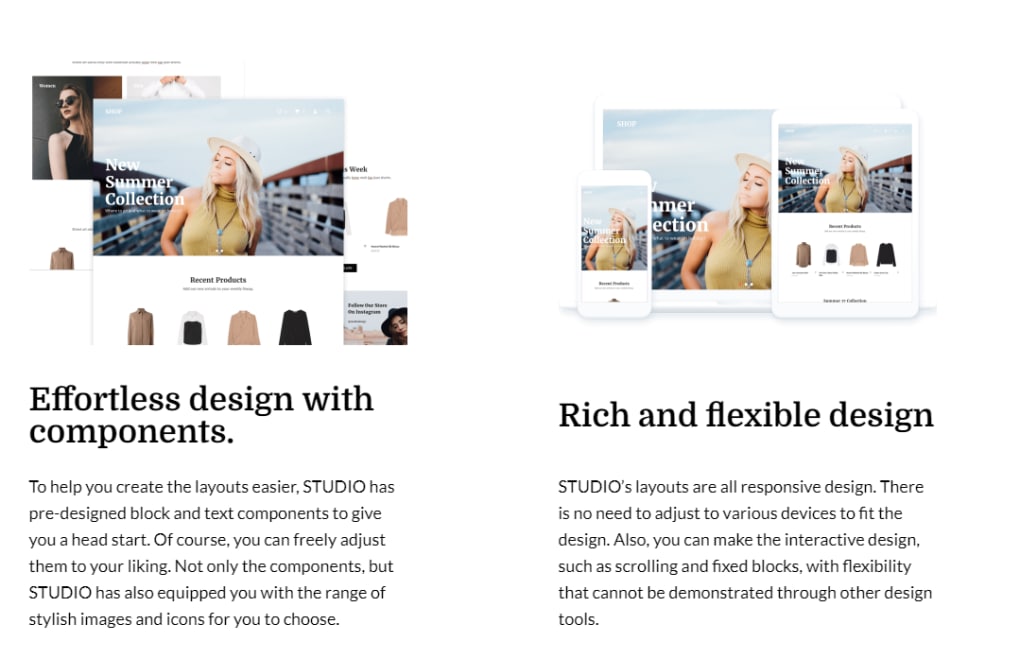
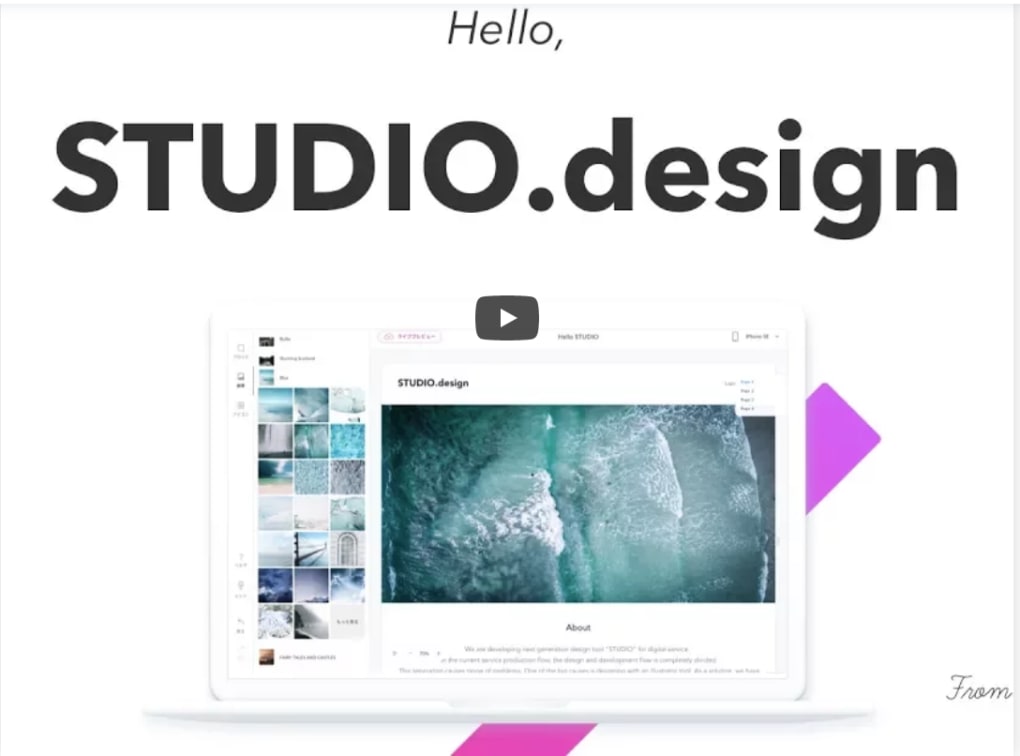
Studio Design is positioned as an all‑in‑one solution for digital product creation, eliminating the need for prior CAD experience. Its clean, modern interface presents a canvas where users can place pre‑built components, adjust vector shapes, and apply real‑time material simulations. The platform’s standout attribute is its customisable workflow engine – you can rearrange toolbars, create custom shortcuts, and even script repetitive actions using a built‑in macro recorder. This flexibility ensures that the software molds itself around the unique demands of each project, whether you’re designing a smartwatch case, a web dashboard, or an interactive prototype for a client presentation.
The free demo version grants full access to the core toolset for a limited period, allowing users to experiment with the most popular features before committing to a license. Once you decide to upgrade, you’ll unlock an expanded library of premium assets, advanced rendering options, and cloud‑based collaboration tools that let teams work together in real time. Security is baked in: all project files are encrypted at rest, and the cloud sync uses TLS 1.3 to protect data in transit. Regular automatic updates keep the software current with the latest design trends and hardware acceleration improvements.
- Intuitive drag‑and‑drop canvas with real‑time snapping.
- Extensive library of UI components, 3D primitives, and material presets.
- Customisable toolbars, keyboard shortcuts, and macro recording.
- High‑resolution vector rendering and GPU‑accelerated preview.
- Built‑in prototyping mode with interactive hotspots.
- Cloud collaboration with version control and comment threads.
- Secure file encryption and TLS‑protected cloud sync.
- Automatic update notifications and one‑click installer.
- Cross‑platform support for Windows, macOS, Android, and iOS.
- Free demonstration version with full feature access for 30 days.
Installation, Setup & System Compatibility
Getting started with Studio Design is deliberately straightforward. After requesting the free demo from the official website, you’ll receive an email with a secure download link. The installer is a single .exe for Windows, .dmg for macOS, and platform‑specific packages for Android (.apk) and iOS (App Store link). Follow these steps for a smooth installation:
- Download the appropriate installer based on your operating system. The website auto‑detects your platform, but you can manually select another version if needed.
- Run the installer with administrator privileges on Windows or by dragging the app to the Applications folder on macOS. Mobile installations follow the standard app store procedures.
- Accept the license agreement and choose the installation directory. For Windows, the default is
C:\Program Files\StudioDesign; on macOS it installs to/Applications/Studio Design.app. - Complete the setup wizard, which prompts you to create a free account, select a default workspace layout, and optionally import settings from other design tools.
- Launch the application and sign in with the credentials you just created. The first run triggers a quick update check to ensure you have the latest patches.
Studio Design runs on the following operating systems:
- Windows 10 (64‑bit) or later – requires DirectX 12 compatible GPU.
- macOS 11 (Big Sur) or later – supports Metal for hardware acceleration.
- Android 8.0 (Oreo) or later – optimized for tablets and large‑screen phones.
- iOS 13 or later – offers a touch‑friendly interface with Apple Pencil support.
Minimum hardware recommendations include 8 GB RAM, a dual‑core processor, and at least 2 GB of free disk space. For complex 3D rendering, a dedicated GPU with 2 GB VRAM is advised. The installer also checks for missing dependencies (such as the Visual C++ Redistributable on Windows) and offers to install them automatically.
Pros, Cons & Frequently Asked Questions
Pros
- Zero‑learning‑curve for newcomers; drag‑and‑drop UI is truly intuitive.
- Highly customisable workspace that scales with user expertise.
- Cross‑platform availability ensures continuity across desktop and mobile.
- Robust security features protect intellectual property.
- Free demo provides full access, allowing informed purchase decisions.
Cons
- Advanced 3D modeling features are less extensive than dedicated CAD suites.
- Mac users may experience occasional rendering glitches on older hardware.
- Free version limits cloud storage to 1 GB per project.
- Macro recorder lacks a visual scripting interface, which may deter power users.
- Customer support response times can be slower during major release cycles.
Frequently Asked Questions
Is the free demonstration version truly unlimited?
The demo grants unrestricted access to all core tools for 30 days. After the trial expires, you can continue using the saved projects in view‑only mode, or upgrade to a paid license to retain full editing capabilities.
Can I import files from other design applications?
Yes. Studio Design supports import of common formats such as .SVG, .DXF, .AI, and .OBJ. The import wizard maps layers and materials automatically, though complex meshes may require manual tweaking.
How does the cloud collaboration work?
Projects are stored in an encrypted cloud workspace. Team members can be invited via email, and each change is tracked with a version history. Real‑time cursor presence and comment threads make remote design sessions seamless.
Is there a mobile‑only workflow?
The Android and iOS apps provide a streamlined set of tools focused on sketching, quick prototyping, and reviewing cloud‑synced projects. Full‑feature desktop editing is still required for advanced rendering.
What licensing options are available after the trial?
Studio Design offers a perpetual license (one‑time payment) and a subscription model (monthly or annual). Both include updates and cloud storage; the subscription adds priority support and early access to new features.
Conclusion – Get Started with Studio Design Today
Studio Design delivers on its promise of making professional‑grade product design accessible to everyone, regardless of prior CAD knowledge. Its blend of drag‑and‑drop simplicity, customisable toolsets, and cross‑platform reach positions it as a compelling alternative to heavyweight engineering suites. While power users may miss some deep‑dive 3D capabilities, the software’s secure cloud collaboration, free demo, and regular updates more than compensate for those gaps. If you’re ready to transform ideas into polished digital prototypes without the steep learning curve, click the button below to download the free demonstration version and experience the future of product design firsthand.



.png)